
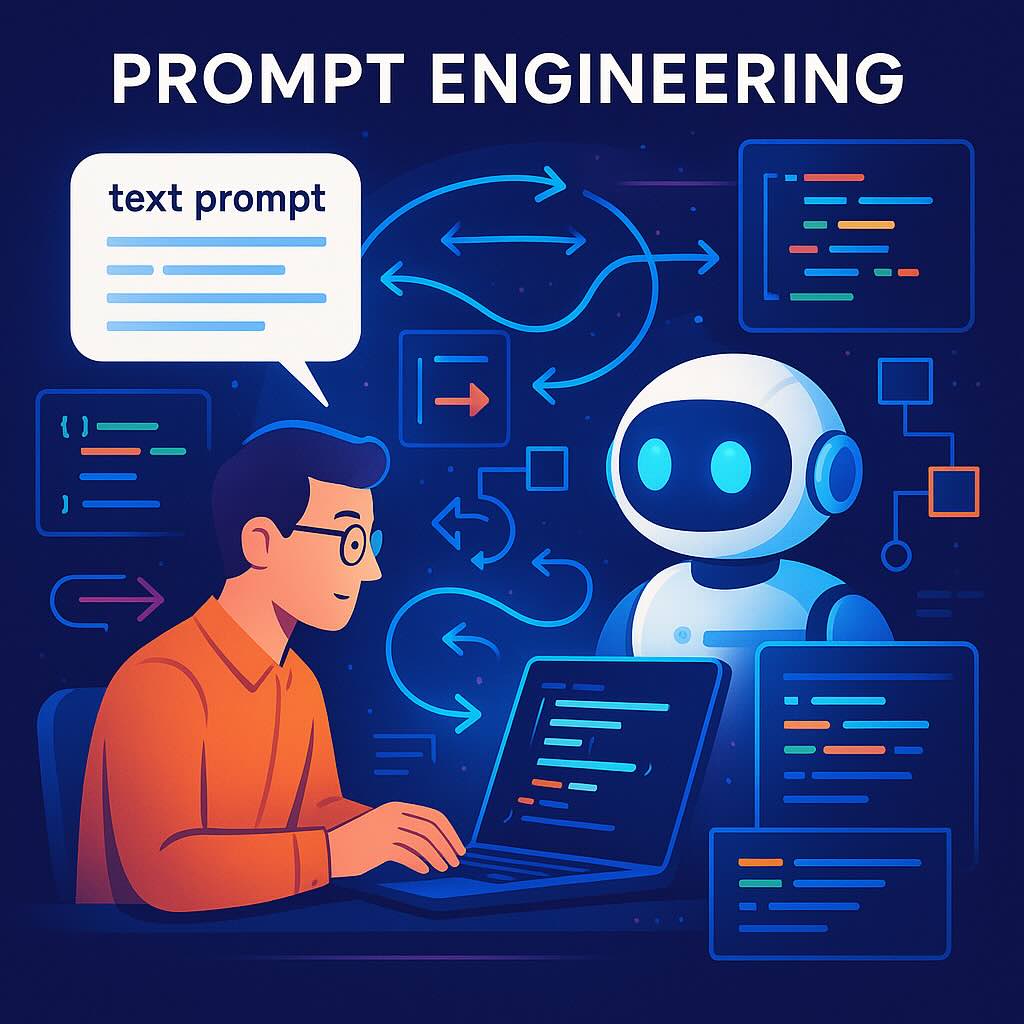

As AI coding agents become ubiquitous tools in modern software development, the way developers interact with them is undergoing a quiet revolution. No longer are we simply writing code—now, we craft prompts: concise, context-rich instructions that steer AI agents toward our desired outcomes. In this article, I’ll share best practices and common pitfalls for prompt engineering, based on my experience helping teams integrate agents like Claude Code and OpenAI Codex CLI into their workflows.
Why Prompt Engineering Matters
Unlike conventional compilers or static analysis tools, AI coding agents interpret natural language, code snippets, and project context to generate, refactor, or even debug code. Precise prompting can mean the difference between hours saved and cryptic, unusable output.
Best Practices
1. Be Explicit, Not Ambiguous
AI agents work best with unambiguous, detailed prompts. Instead of saying, “fix this bug,” specify the bug, expected input/output, and any constraints. For example:
"Refactor the following Python function to handle empty lists gracefully and return an empty string if the input list is empty."
2. Provide Context
Paste relevant code when possible, reference file names or directory structures, and state the programming language or framework. The more relevant context the agent has, the better its output will match your intent.
3. Make Use of Iterative Refinement
Don’t expect perfection on the first try. Treat prompting like pair programming—review the agent’s output, provide feedback, and iterate. Over time, you’ll learn what phrasing yields the clearest results.
Common Pitfalls
- Vague Prompts: Requests like “optimize this” or "add logging" are likely to produce generic or misaligned results.
- Too Much or Too Little Context: Overwhelming the agent with irrelevant files is as problematic as under-explaining the task.
- Ignoring Agent Limitations: Current AI agents may not correctly handle very large codebases or novel libraries. Set realistic expectations.
The Future: Prompt Profiles and Templates
As agent integration matures, teams are developing prompt templates and profiles for recurring tasks—test generation, code review, legacy migration—streamlining consistent results and onboarding.
Prompt engineering isn’t just an AI skill, it’s rapidly becoming a core competency for modern software teams. Whether you’re debugging with an agent or scaffolding new APIs, thoughtful prompting is your most powerful tool.
Have you developed effective prompting strategies? Share your experiences in the comments below!
— Geneva
Leave a Reply
You must be logged in to post a comment.