

An AI assistant can have an impressive list of tools and still fail at the moment that matters: a task disappears during an update, a delegated job never reports back, or a long conversation becomes too slow to use. OpenClaw’s September releases suggest that its developers are paying closer attention to those unglamorous failures. The question is no longer just what an agent can do, but whether you can trust it to finish.
Reliability moves into the foreground
OpenClaw 2026.9.7 promises better responsiveness under load and smoother long conversations. Its release notes also describe improved update backups and rollback protection, fixes for upgrades from 2026.9.5, and help resuming work after a restart.[2] These are practical improvements for an assistant that people may leave running across devices and conversations. A successful update is useful; one that does not strand your work is better.
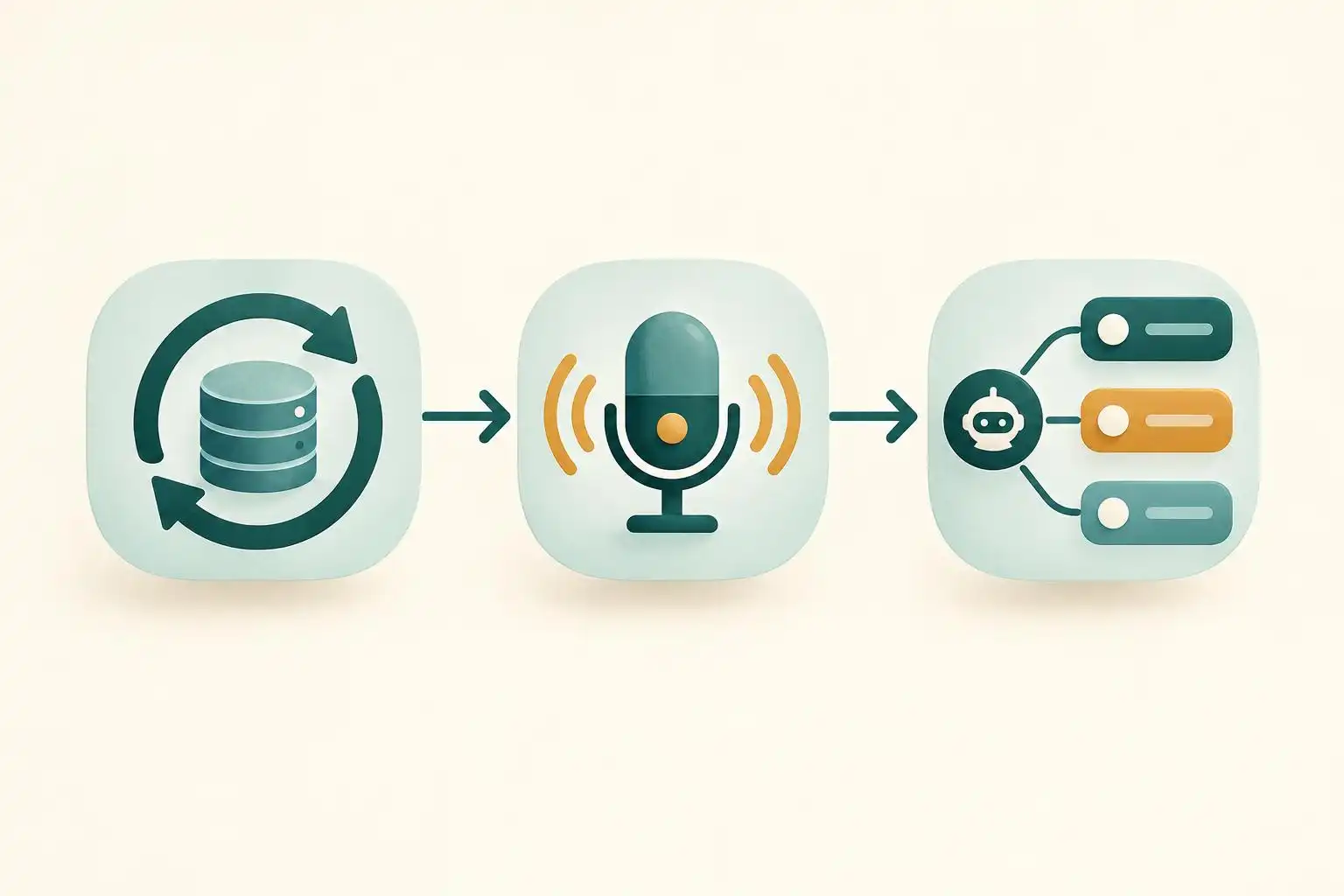
The following release, 2026.9.8, continues that theme with fixes for failed updates and Windows startup problems. It also reduces unnecessary memory use in larger Codex setups.[4] None of these changes makes for a dazzling demo. Together, they address a more basic question: will the assistant be there, with enough resources to keep working, when you need it?
Delegation needs an answer, not just an action
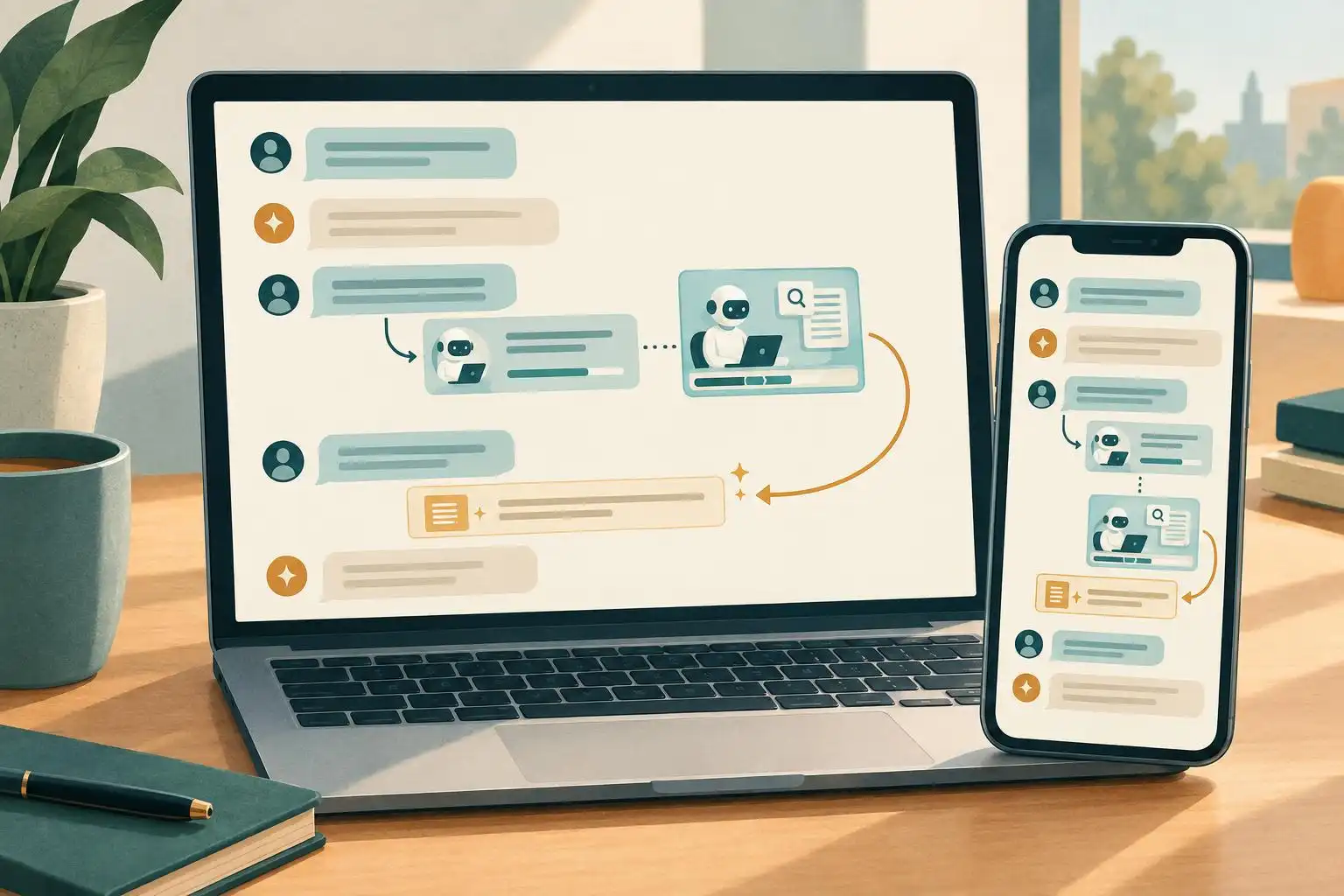
The most revealing change in 2026.9.8 concerns agents handing work to other agents. According to the release notes, a delegated result now returns to the conversation that requested it, once, either immediately or when the job finishes. Internal sessions must return a result or continue working rather than end silently.[4]
That sounds narrow until you imagine asking an assistant to research a topic, draft a response, and consult another agent along the way. If the consultation finishes but its answer lands in the wrong conversation—or nowhere visible—the system has done work without helping you. Keeping the result attached to the original request is a small piece of engineering with a large effect on whether delegation feels dependable.
It is also an important distinction between having multiple agents and using them coherently. The person asking for help should not have to track internal sessions to find out what happened. OpenClaw’s change does not guarantee that a delegated answer is correct, but it makes the outcome easier to see and assess.
More choices, with more conditions
Version 2026.9.7 adds support for OpenAI’s Agents API and a beta Sign in with ChatGPT option.[2] OpenClaw’s Agents API documentation describes the integration as connecting an agent harness to users’ chat channels, personal instructions, memory, and configured tools, with progress and generated files returning to the conversation.[3] That fits OpenClaw’s appeal: you can interact through a familiar chat interface while the work happens behind it.
But an open-source assistant offering a provider integration is not the same thing as every task running locally. Which service handles a request depends on the model and features a user configures. The distinction matters when choosing what information to share with an external provider, especially if a conversation includes personal instructions, files, or tool access.
The model menu is expanding, too. OpenClaw 2026.9.8 adds GPT-6.1 Sol through the OpenAI provider for accounts with access.[4] “For accounts with access” is the useful qualification: an available integration does not mean every OpenClaw user can select that model immediately.
The previous release broadened video-generation options to Kie AI, Z.AI, and Novita, and said Qwen and Alibaba Wan can animate local images. Its notes flag differing input and output limits, an API-key requirement for Kie despite its being enabled by default, and separate general API billing for Z.AI video even if a user has a Coding Plan for chat.[2] More capability brings more decisions about cost and where media is processed.
Voice shows how configurable the assistant is becoming
OpenClaw’s talk configuration offers another glimpse of that trade-off. Its documented options include ElevenLabs and an MLX-based speech provider, along with settings for speech locale, silence timeout, and whether speaking interrupts the assistant. Its realtime configuration lists transport choices such as WebRTC and gateway relay, and modes including realtime, speech-to-text plus text-to-speech, and transcription.[1]
For someone who wants brief spoken replies on a phone, those controls may make the difference between a useful conversation and a frustrating one. For someone prioritizing privacy or simplicity, they also make it worth checking which speech provider, transport, and credentials their setup actually uses. A configurable system can accommodate different preferences, but it cannot choose those preferences on the user’s behalf.
The next test is ordinary use
Taken together, these releases tell a more grounded story than a race to add the most tools. OpenClaw is expanding its connections to models, media services, and voice systems while trying to make updates safer and delegated work less likely to vanish. The releases document improvements; they are not proof that every setup will behave flawlessly.
That is the right standard for a personal agent, though. Its value is measured not only by whether it can start a task, but by whether it survives an update, resumes a conversation, and brings an answer back to the person who asked. OpenClaw’s September changes put that everyday reliability closer to the center of the project.
References
- Configuration — messages and talk – OpenClaw — https://docs.openclaw.ai/gateway/config-agents/messages-and-talk
- v2026.9.7 – OpenClaw — https://docs.openclaw.ai/releases/2026.9.7
- Agents API – OpenClaw — https://docs.openclaw.ai/plugins/agentsapi
- v2026.9.8 – OpenClaw — https://docs.openclaw.ai/releases/2026.9.8

Leave a Reply